I like expensive things. I just like knowing what I’m paying for.
I like expensive things. There. We got that out of the way.
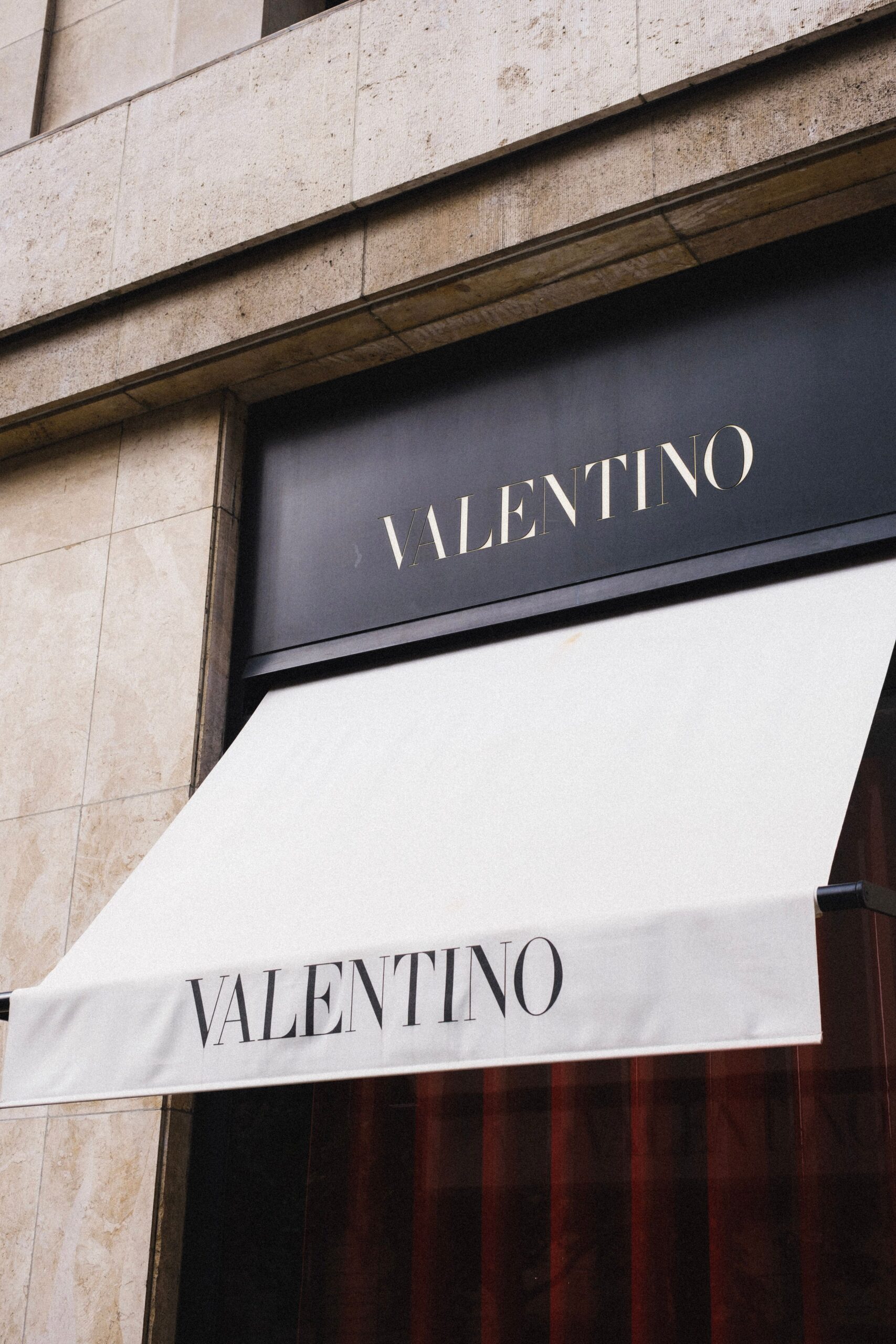
I love beautiful clothes, beautifully made shoes, good leather and the kind of handbag that makes absolutely no practical sense when a perfectly functional one exists for a fraction of the price. I’m also perfectly comfortable admitting that sometimes, part of what we’re paying for is simply the name on the box. Because somewhere along the way, expensive, luxurious and good quality became almost interchangeable words.
They’re not.
A higher price can buy better materials, better construction and better craftsmanship. It can also buy design, heritage, exclusivity, marketing, status and desirability. Sometimes it buys all of them. The useful part is knowing the difference.
01. A luxury product can be exceptional. That doesn’t mean luxury equals quality.
Take cashmere.
You can buy a 100% cashmere sweater from UNIQLO for around $100. You can also spend well over $1,000 on one from Loro Piana. Obviously, I’m not suggesting they’re the same sweater.
“100% cashmere” tells us what the sweater is made from. It doesn’t tell us everything about the quality of the fibers, yarn, knit, weight, construction or finishing. There may be very real reasons why one is better than the other. But here’s the question I actually care about:
How much of the extra $1,000 is buying a better sweater?
Because it probably isn’t all of it. Some of that price buys Loro Piana. And I don’t mean that as criticism. A brand with history, expertise, design language and desirability has value too. It’s just a different kind of value.
02. Quality gets expensive.
Then something else gets expensive.
At the lower end of the market, spending more can make a huge difference.
Take shoes.
Moving from a very cheap pair to a well-made one might get you better leather, a better lining, better soles, cleaner construction and something that feels considerably better on your feet. Those are improvements you can see and feel. But quality doesn’t increase neatly alongside price forever.
A $300 shoe can be dramatically better than a $30 shoe.
Is a $1,500 shoe five times better than the $300 one? Probably not. At some point, the curve changes. You may still be getting better craftsmanship, rarer materials or more intricate construction. But increasingly, you’re also paying for something less measurable.
At first, more money can buy better. Eventually, it starts buying different. And honestly, I think shopping becomes much easier once you accept that.
03. Sometimes the logo is part of the point
Consider the Hermès Oran sandal. Could you find an elegant, beautifully made leather sandal for considerably less?
Of course.
Would it be an Oran?
No.
And I think pretending those are the same question is where a lot of conversations about luxury become slightly ridiculous. Part of the value of an Oran is the leather, construction and finishing. Part of it is the design. And part of it is the simple fact that the H on your foot says Hermès.
It is a status symbol.
There. That’s fine too. We don’t need to invent a complicated argument about cost per wear to make the purchase intellectually acceptable. Sometimes you want the Hermès sandal because you think it’s beautiful.
Sometimes you want it because it’s Hermès. Usually, it’s probably a bit of both. None of that makes it a bad purchase if you understand what you’re buying and it’s worth that amount of money to you.
04. Expensive is not a quality certificate
This is the part I wish we talked about more. A designer label doesn’t automatically make a garment well made. And something from the high street isn’t automatically badly made.
You still have to look. What is the fabric? How does it feel? How is it constructed? How does it fit? Do the details feel considered? Would you still think it was beautiful if you couldn’t see the label?
That last one is particularly useful.
Because a beautiful object doesn’t suddenly become beautiful when you find out who made it. And this is where my belief in timeless style comes into it. Fashion changes constantly. Good design doesn’t need to. A beautifully proportioned coat, an elegant leather shoe or a perfectly cut dress doesn’t require this season’s aesthetic name to justify its existence. If something needs a TikTok trend to explain why it’s chic, I’m already suspicious.
05. Not everything has to be an investment
I also think we’ve become slightly obsessed with making every expensive purchase sound sensible.
Investment bag.
Investment coat.
Cost per wear.
Sometimes those ideas are genuinely useful. Sometimes they’re just very sophisticated ways of saying:
I really wanted it. And frankly, that’s allowed.
Clothes are functional objects, but fashion isn’t purely functional. Beauty matters. Design matters. Desire matters. If I buy a beautiful bag because I love it, I don’t need to pretend I’m running a small private-equity fund from my wardrobe. I just want to be able to separate two thoughts:
This is exceptionally well made.
and
I really, really want this.
The perfect purchase might be both. But it doesn’t have to be.
The TFO Price Test
When something is significantly more expensive than the alternative, I think four questions are worth asking:
WHAT IS ACTUALLY BETTER?
Material, construction, craftsmanship, finishing, comfort, performance?
WHAT AM I PAYING EXTRA FOR?
Design, heritage, rarity, branding, status?
WOULD I STILL LOVE IT WITHOUT THE LABEL?
Not always a dealbreaker — but an interesting question.
AND IF IT IS MOSTLY LUXURY, DO I STILL WANT IT?
If the answer to the last one is yes, fine. Buy it. The point isn’t to make luxury rational. And it certainly isn’t to stop liking expensive things. It’s simply to know the difference between something expensive because it is exceptionally made and something expensive because it is exceptionally desirable.Sometimes those are the same product. Sometimes they’re not.
Buy quality because you value quality. Buy luxury because you love luxury. Just don’t let the price tag convince you they’re automatically the same thing.
Beautiful things, sensible thoughts.