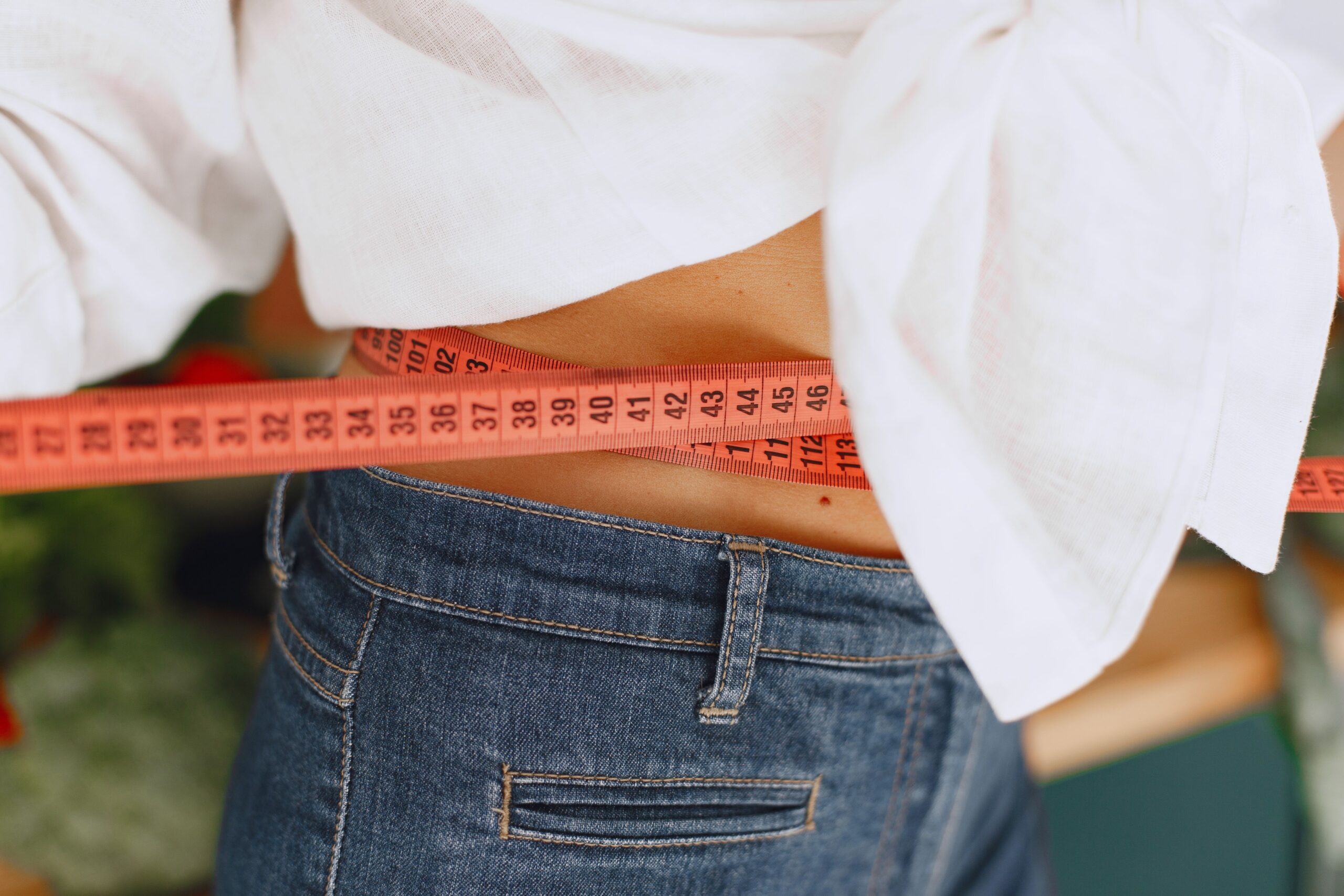
Because sometimes the best thing you can buy for your wardrobe is a better fit.
I used to think tailoring was mostly for expensive clothes.
A beautiful blazer, a suit, maybe a dress for an important event. Things that already cost enough to justify spending even more money on them.
I don’t really think that anymore.
Sometimes the most sensible thing you can do with a $100 pair of trousers is spend another $25 making them fit properly. And sometimes the least sensible thing you can do with an expensive jacket is keep altering it because you’re determined to make the wrong size work.
The question isn’t simply whether something can be tailored.
It’s whether the alteration will actually turn it into something you want to wear — and whether the result is worth the total cost.
01. Trousers
USUALLY WORTH IT: Length, waist and smaller fit adjustments
THINK TWICE: Major changes to the rise, seat or overall shape
Trousers are probably the best argument for tailoring. Bodies don’t come in standardized proportions, but trousers do. So finding a pair where the waist, hips, rise and leg length all happen to fit perfectly isn’t always easy. Fortunately, some of the most noticeable problems are also relatively straightforward to fix. Hem too long? Fix it. Waist slightly too loose? Often fixable.
But if the rise feels wrong, the seat doesn’t fit and you also want to change the leg shape, you’re no longer perfecting a good pair of trousers.
You’re trying to create a different pair.
Tailoring works best when the garment is already close.
02. Blazers
USUALLY WORTH IT: Sleeve length and smaller adjustments
THINK TWICE: Shoulders and major structural changes
A beautifully cut blazer with sleeves that swallow your hands rarely looks as good as it should. That is exactly the kind of problem I would consider fixing.
The shoulders are different.
A structured jacket is built around them, and changing that structure can become complicated and expensive very quickly.
My rule with blazers is simple:
Buy the shoulders. Tailor the details.
03. Jeans
USUALLY WORTH IT: Hemming and small waist adjustments
THINK TWICE: Completely changing the silhouette
Finding jeans that fit perfectly is difficult enough that I’m very willing to alter a pair that is almost right. Length is the obvious one. A few centimeters can completely change how jeans fall over a loafer, ballet flat or boot. A slightly loose waist may also be worth addressing. But if you bought straight-leg jeans and what you actually want is a completely different silhouette, tailoring probably isn’t the answer.
Sometimes you simply bought the wrong jeans.
04. Dresses
USUALLY WORTH IT: Length, straps and smaller fit corrections
THINK TWICE: Reconstructing the bodice or changing the design
A dress that fits almost perfectly can be one of the most satisfying things to tailor. Shortening the straps, adjusting the waist or changing the hem by a few centimeters can transform the proportions. But dresses can also become complicated quickly. Lining, boning, zippers, draping and embroidery can turn a seemingly simple alteration into something much more involved.
There is a big difference between adjusting the fit and reconstructing the dress.
05. Shirts
SOMETIMES WORTH IT: Sleeves and simple fit adjustments
THINK TWICE: Basics that need several alterations
A great shirt is worth getting right. But this is where I start paying more attention to the economics.
A $60 shirt plus $50 of alterations is a $110 shirt. Would you still choose it at $110?
Not because inexpensive clothes aren’t worth tailoring. Sometimes they absolutely are. But the price that matters is what the garment costs once it actually fits you.
06. Knitwear
SOMETIMES POSSIBLE: Specific specialist alterations
THINK TWICE: Buying the wrong size and assuming it can be fixed
Knitwear is where I would be much less optimistic.
Some knitted garments can absolutely be altered by someone who knows what they’re doing, but I wouldn’t automatically rely on it when making a purchase. If the sweater is too long, too wide, the shoulders sit incorrectly and the sleeves are wrong, I wouldn’t buy it assuming a tailor can sort everything out later.
With knitwear, getting the proportions right from the beginning matters more.
07. The Price of the Garment Isn’t the Point
I don’t think tailoring should be reserved for expensive clothes.
A $120 pair of trousers plus a good alteration may look considerably better on you than a $500 pair worn straight from the rack. Equally, an expensive piece doesn’t deserve endless alterations just because you’ve already spent a lot of money on it.
That is sunk-cost thinking in a very nice blazer.
The Tailoring Test
Before buying something that needs alterations, ask:
01 — Is the basic fit already right?
02 — Is the problem specific?
03 — Will the alteration preserve the design?
04 — Does it need a simple alteration or specialist work?
05 — What will the garment cost once it actually fits?
And then the most important question:
Would I buy the finished garment for that amount?
If the answer is yes, tailoring can be some of the best money you spend on your wardrobe. Because the real price of a garment isn’t always the price on the tag.
It’s the price of getting it to the point where you’ll actually want to wear it.
Beautiful things, sensible thoughts.